Flea larvae dislike light and will move away from it into dark corners and crevices. Life of adult ticks for fleas.
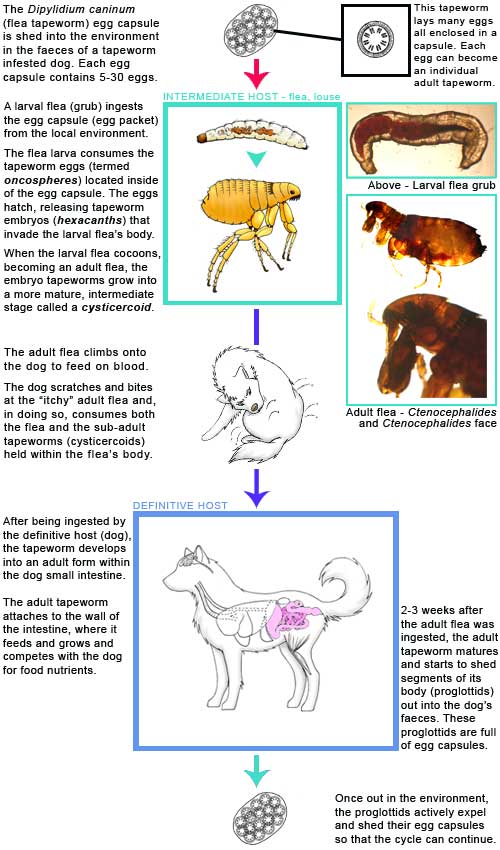
Depending on the environmental temperature and humidity levels the total life cycle will take anywhere from a couple weeks to many months.

What is the gestation period for fleas. Once the flea eggs begin hatching they eat the flea dirt left behind by the adult fleas and will begin to build cocoons in about 5 20 days to transition into the pupae stage. The process can take anywhere from two to three weeks to several months depending on the conditions. Number of eggs laid 3.
There are four stages in the life cycle of a flea. Days of nymph stage 6. Hatch as larvae in as little as 1 to 10 days.
One of the last activities of flea larvae is to spin a silken cocoon and then enter the pupal stage. Breaking the flea life cycle. Number of eggs laid 3.
Egg larva pupa and adult. The flea s larval stage is completed within about 4 18 days. 25 to 30 develop into adult fleas.
Large number of eggs e g 40 to 50 laid every day. Days of larval stage 5. The flea life cycle goes from egg to larva to pupa before the final adult stage.
Adult cat and dog fleas can live up to one year in ideal situations but only about one to two weeks if no host is present. Fall off pet onto floor and furnishings. What is the gestation period for.
Fleas mention me the following. Breaking the flea life cycle 1 2. They can take anywhere between two days to two weeks to hatch.
The total time for this stage is 6 36 days. The pupae is a cocoon that the larvae goes into. The cocoon takes about 7 10 days to develop but then can be dormant for a long time until a host enters the situation such as a cat the adult flea is really only on the pet for about 2 weeks.
Now i need to ask again from you guys. Depending on the amount of food present and the environmental conditions the larval stage lasts about 5 to 18 days longer in some cases then the larva spins a silken cocoon and pupates. The flea eggs drop off your pet and are scattered around your home in places where your pet spends their time.
Controlling flea larvae usually involves using vacuums to remove use of insect growth regulators and dust formulations that cause desiccation of the larvae. Optimal conditions for fleas are between 70 85 f and 70 percent humidity.