Skunk tracks in snow are very distinct in that claws accompany it. Rats also gnaw through wood and other unyielding surfaces in search of food sources.
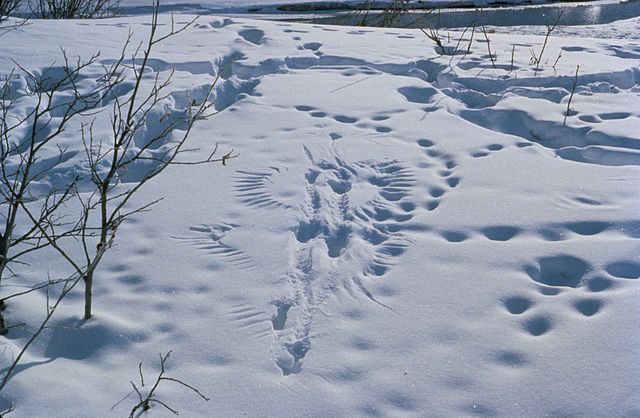 Tracks In The Snow Colonial Pest Control
They also posses differently sized forelimbs and hind limbs.

Identify rat tracks in snow. It also has the same size as the rear and forelimbs. Where to find rat tracks. They also constitute a large variety of shapes sizes and habitats.
You may also see stripe like marks left by the dragging tails of older rats. This may be a social rodent that is often around people such as a squirrel. Each group of 4 tracks tends to form a tall thin rectangle.
As a result these rodents must gnaw on hard surfaces to keep their teeth at a manageable length. The telltale tail dragging helps identify the track of a muskrat in fresh snow at seedskadee refuge. Pests with footprints that seem to roam in many different directions indicate that the animal is comfortable in its habitat.
Rodents make clear trails in dust dirt mud or snow. Here are 5 that seem to be in everyone s backyard. A path or the series of track patterns.
Bobcat tracks in snow are usually the easiest to identify and they re usually more active and hunting more animals in the winter time. Their tracks are usually around two inches long and are sometimes confused with the fox or coyote. Rat droppings and urine stains are other indications of rat activity.
Deer like moose have two toes that curve sharply together forming almost a heart shape print. Hoof and foot prints can be helpful pest animal identifiers whether found on the ground or in tracking tunnels. Some pest species also make recognisable trails nests and dens or leave tell tale mud baths where they have wallowed.
Their tracks measure 5 7 long about the size of your hand. The most important difference is the lack of a nail imprint in a bobcat track. Here are some common terms used to describe wildlife tracks from the prairie wetlands learning center in fergus falls minnesota.
The prints are smaller in size than a moose measuring 2 3 5. Rodents consist of a large number of mammals big and small. Rat tracks also have a distinctive shape.
Moose are heavy and sink down deep into snow allowing the dew claws to sometimes appear in the track. Tracking has its own language. Look for the repeating bound patterns.
The front teeth of the rat are perpetually growing. This pest has four widely spaced toes on its front feet and five on the back which make distinguishable prints. Rodent tracks often form patterns in snow dirt and dust that can help identify them.
Characteristics of rodent tracks. Rabbit tracks are one of the most commonly seen after a snow. The best way to get started with tracking in the snow is to first learn the most common species you re likely to encounter.
Raccoon track in snow raccoon track in snow photo enhanced raccoon tracks in snow studyworks. Actually very intelligent and very beautiful creatures.
 Controlling Raccoon And Opossum Damage
Opossum handprints are more paw like than raccoon prints.

Racoon tracks vs opossum tracks. P house sparrow revenge syndrome our ancestors had to be adept in tracking to learn about the unseen game animals and predators in their vicinity. In addition the pattern they leave behind will differ. Our ancestors had to be adept in tracking to learn about the unseen game animals and predators in their vicinity.
Possum tracks compared to raccoon tracks. Raccoon toes or claws are longer closer together than an opossum and all toes face forward. Unlike dog and cat paws though an opossum s finger pads are visibly connected to their palms there s a definite line joining their fingers and palms instead of them appearing to be different structures.
Animal track identification guide. Raccoon waddle when they walk. There are still versions of the snap trap from cartoons but there are also other kinds like electronic traps.
Raccoon have five toes that resemble a human hand. Opossum tracks are sometimes described as having a more starlike appearance with toes emanating out from the center while raccoon tracks have toes that mostly point forward in comparison. Opossum tracks in dirt on the left is opossum tracks on the right raccoon tracks front and back paws.
Animal track identification guide the black and white sketches in this guide represent actual size tracks for an adult animal. Opossum have opposable thumbs on their hind feet that appear in their prints. The opossum tracks also have a smaller front and a longer back track but the shape is very different with the toes.
The front print is smaller 1 3 and has a c shaped heel pad while the rear print has a longer 1 5 4 heel pad. Claw marks if visible are small. An opossum track can be confused with a raccoon s.
Another big difference is opossums frequently move in a partial direct register which means their hind foot lands on top of or very close to the front foot. With five fingers and a human hand shape opossum tracks resemble the raccoon but there is one major difference. Today animal tracking provides an invaluable service to the hunter and trapper as well as the nature lover and photographer.
Squirrel tracks are usually much smaller than raccoon or opossum tracks but one thing that definitely sets their handprints apart is the presence of only four fingers raccoons and opossums both have five fingers on each hand. Both opossums and raccoons leave tracks made by four feet with five toes each but there are some subtle differences that can help you make the distinction. The opossum tracks also have a smaller front and a longer back track but the shape is very different with the toes clearly spread out.
Learn how to read tracks and you ll learn a new language one that communicates the hidden stories of the animals that leave the tracks. Sign up for our monthly e newsletter. Their palms are closer to the triangular shape exhibited by dogs and cats.