Not only do your walls offer mice the perfect shelter and security from outside and inside your home but they are an undisturbed route around your home. There are 2 ways you can get rid of mice from walls and ceilings.
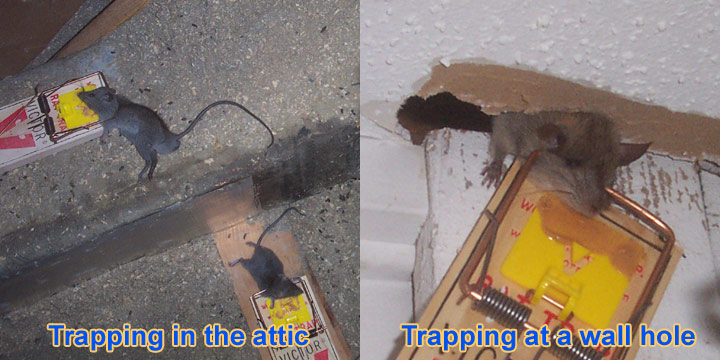
Mice will use your walls to navigate around your home in search of food and a place to set up a mouse nest.

Do mice live in walls. And because of their ability to climb they can typically access holes well above ground level. What do mice do once inside the house or walls. Holes made for gas lines cable networks duct works and utility pipes are perfect entrances for the mice.
While many people rush into using poison they end being frustrated by the eventual smell that may result from the dead mouse. Mice usually get inside walls from these points. A quick inspection of the outside of your home can give you a good indication of whether you have mice in the walls.
We know that mice can move around quickly and easily thought the whole house including walls ceilings floors attics and crawl spaces. Getting mice out of the walls is a tricky affair that requires creativity and consistency. Mice can get into homes and become a real problem building nests contaminating food causing damage and spreading disease.
Trapping and removing mice is usually the best diy method for controlling a mouse problem. Often times mice enter the home at lower entry points and from there go up or down. Don t use poison because the effects aren t immediate and mice could have time to retreat into a wall before dying which would ultimately leave a messy smelly problem that could be more difficult to remove.
First let s look at the non invasive and non destructive way to get rid of the rodents. Common entry points for mice include. But to get rid of them you need to understand what they do and what they like.
Mice out of walls. Compartments made for your ac units chimney pipes and roof vents. Often near gas lines utility pipes ductwork cable networks and dryer vents and if these holes are as big as a dime mice can easily squeeze through them.
The stink occurs when the mice take the poison and immediately retreat to die in their hiding zones. How do mice get in walls. If you find any evidence of mice such as mouse faeces unexplained holes in the walls or piles of insulation clean the area well remove sources of food and eliminate access points to the area by plugging holes in the wall.
Mice tend to run along the edges of walls when running from room to room so a path of peanut butter laced traps should do the trick. Check your attic for trails in the insulation. Mice prefer to stay hidden so pay particular attention to wardrobes basements and cupboards.
A strong correlation exists between mice in the walls and mice in the attic. Because of their size mice can squeeze their way through openings the size of a dime. Once they re inside a building or your home they use similar techniques to get in the walls.
The just use the area as a safe place to live. And while they re at it they chew on wood chew on electrical wires a potential fire hazard they poop and pee everywhere which is not only unsanitary but the odor attracts new rats to the area and they often chew their way into the house to.
There are usually two openings far apart. If the animal fell down the wall and is stuck and scratching that s another matter.

Keep a tidy home especially in the kitchen.

How to get critters out of your walls. In order to get animals out of your walls in this case you ll have to cut a hole in the wall such as seen below in the photo. Place moth balls inside any openings you find and then plug the holes with steel wool. If critters are known to invade homes in your neighborhood keep them out of yours with critter ridder animal repellent granular from havahart.
Drill a nickel sized hole in your drywall just a few inches above the floor. Squirrels need to be trapped so finding their access point is imperative. Or set cage traps near the holes.
Checking your house for cracks and gaps in the foundation siding or roof and sealing them as necessary. Once baby squirrels are born in your walls they can be very problematic to deal with usually you have two options you can have a animal removal company come in and cut the wall to gain access to the nest site or you can wait the 6 to 8 weeks until the babies are fully able to climb from the wall cavaity. For the mouse baiting in the attic and the basement should do the trick along with finding and securing the outside opening to ensure more won t find their way in.
We use a number of materials including 1 4 hardware cloth sheet metal expanding foam and surface bonding cement to close up any openings we can find to keep critters out. Skip to main content. Tightly tie trash bags and keep the lids to your trash cans secured.
Put a corresponding hole on the side of a cardboard box fill the box with a food scented mouse trap cover the top of the box with transparent cellophane and secure the box against the wall. Trimming all branches that come within three feet of your walls or roof. Adding a cap to your chimney.
1 800 274 8837 no cats dogs toggle navigation menu. Moth balls are poisonous to animals and will drive them away. The steel wool will cut the mouths of any rodents that try to chew through it.
A common complaint associated with animals in the home is the disturbing noises they make. Don t leave pet food or water outside at night. Bringing all pet food and bird feed indoors overnight.
Worse rats and mice can squeeze through holes as small as a 1 2 so it s easy to miss these possible entryways. One all the animals are out seal the holes. Keep vining plants shrubs and tree branches trimmed so that they don t provide access to your home.
Place traps with the baited end close to the wall as mice tend to. Walk the exterior of the home and identify any potential entrances where rodents can get into your home. Critter control can help keep animals out of your home.
Position traps in areas where you hear the scratching and near any openings that you think the mice are using to enter your walls. Scratching in walls chirping or thumping. In this case a raccoon fell down the wall and i cut a square hole to get it out.
If you could see the surface of your walls and ceilings through a. Ants that live on trees tend to be excellent climbers.
How Do Ants Climb Walls Quora
You can begin by erasing ants trails using a mixture of one part vinegar and one part water or a blend of one part lemon juice and three parts water.

How can ants walk on walls. Various ants live in wall cavities and under floorboards. Carpenter ants are among the ants that live in wall cavities chewing lumber into sawdust and using the sawdust to help build their nests. Many ant colonies can be controlled with syrupy baits.
Surfaces that ants can walk on include walls glass stairs metal stainless steel aluminum and fishing line. Some natural remedies that are believed to repel ants include. They have these microscopic hair things that dig into the microscopic pores on things.
If you could see the surface of your walls and ceilings through a microscope you d see there are plenty of places for tiny things to put their hooks and climb away. When climbing on rough surfaces such as a wall or ceiling a vacuum can t be formed so they use those tiny little claws. Now there are also times where gravity wins against ants.
The segments or tarsi at the end of insect legs possess clawlike structures that help the insect hold on to different types of surfaces. Ants have 6 legs with hooks all up and down their legs that they use to grab on to whatever they are walking on plus gravity is controlled by the mass and they don t have too much mass. When climbing on rough surfaces such as a wall or ceiling a vacuum can t be formed so they use those tiny little claws.
It s mostly the tree dwelling ants who can. Ants can generate more than enough force to keep their tiny air filled bodies from falling generally speaking. Has tiny little footholds for bugs and spiders.
They have tiny hooked claws at the ends of their feet which help them walk on the undersides of. But then stick an insect in a bathtub and watch it try to walk up the walls it can t. But walls wood etc.
These tarsal claws are used to grip the tiny. Ants have little pads on their feet called arolia which serves as a suction so that they can stay on walls and ceilings. This confuses the ants foraging outside of the next.
If you have a thriving ant nest in the walls you must eliminate it first. They are also foam carpenters chewing up and reusing foam.
Squirrel sounds are more pronounced in september to october and april to june when the younger squirrels are big enough to run around. The longer a family of squirrels is living in your attic the higher the chance they ll cause substantial damage and the need for an attic cleanup and repair will be in order.
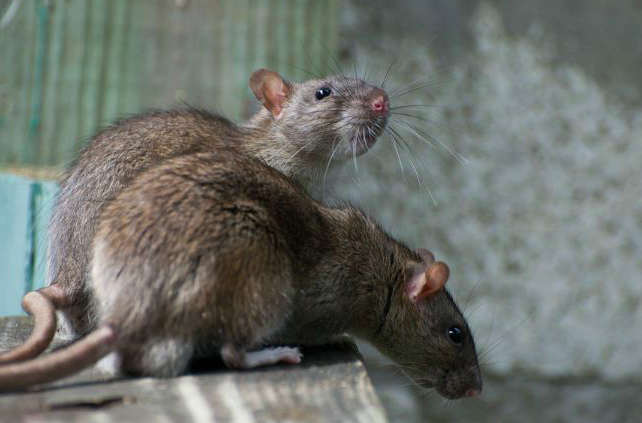 Are You Hearing Scratching Noises In Your Walls And Ceiling At Night Allwildlife Ca
They generally enter via holes or openings in the exterior walls or roof and make homes within the walls.

I can hear squirrels in my walls. Once in the walls bats make scratching and squeaking sounds as they tend to become disoriented when trying to get unstuck. They make scratching and jumping noises leaving you wondering what s moving across the ceiling. If squirrels decide they want to enter other parts of your home you can expect a lot of damage being done to the wall boards leading into your home or ceiling.
Squirrels on the other hand are diurnal meaning they re awake and active during the day. People attempting to detect the presence of squirrels in walls should listen for scratching noises which may occur at any time since some squirrel species are active during the day while others are nocturnal. Of all of the different kinds of wild animals that can gain access into your home especially the walls and attic the one that you will find that is quite common is the squirrel.
When bats enter homes through small holes sometimes they get stuck in the walls. This tends to happen early in the morning or late at night in this location. Squirrels are common pests that can get in the walls of your home.
Mice and rats are nocturnal so you ll most likely hear scratching in walls once the sun has set and the house has quieted down. Squirrels in the walls is a very common cal we get in the spring and late summer of the year. You re more likely to hear them moving through the attic or near the roof edge walls and chimney.
In addition to noises in the walls there are some other signs that animals have set up camp in your home including. Squirrel in the wall scratching in the walls. In addition to making bothersome scratching noises squirrels can seriously damage the structure of your home.
Since bats are nocturnal animals you will most likely hear these animal noises at night when the bats are most active. Besides rats and mice squirrels are the most common kind of wild animal that is able to get into a person s home. The reasons behind this are quite simple.
Even though they can t be seen squirrels in walls are far from untraceable. Squirrels will enter the walls thru the attic area of the home and work their way into the wall cavity where they build a nest and start the process preparing to have babies. They make noises cause damage and leave their droppings behind for others to find.
They bring out their little saws and go to town on my ceiling.